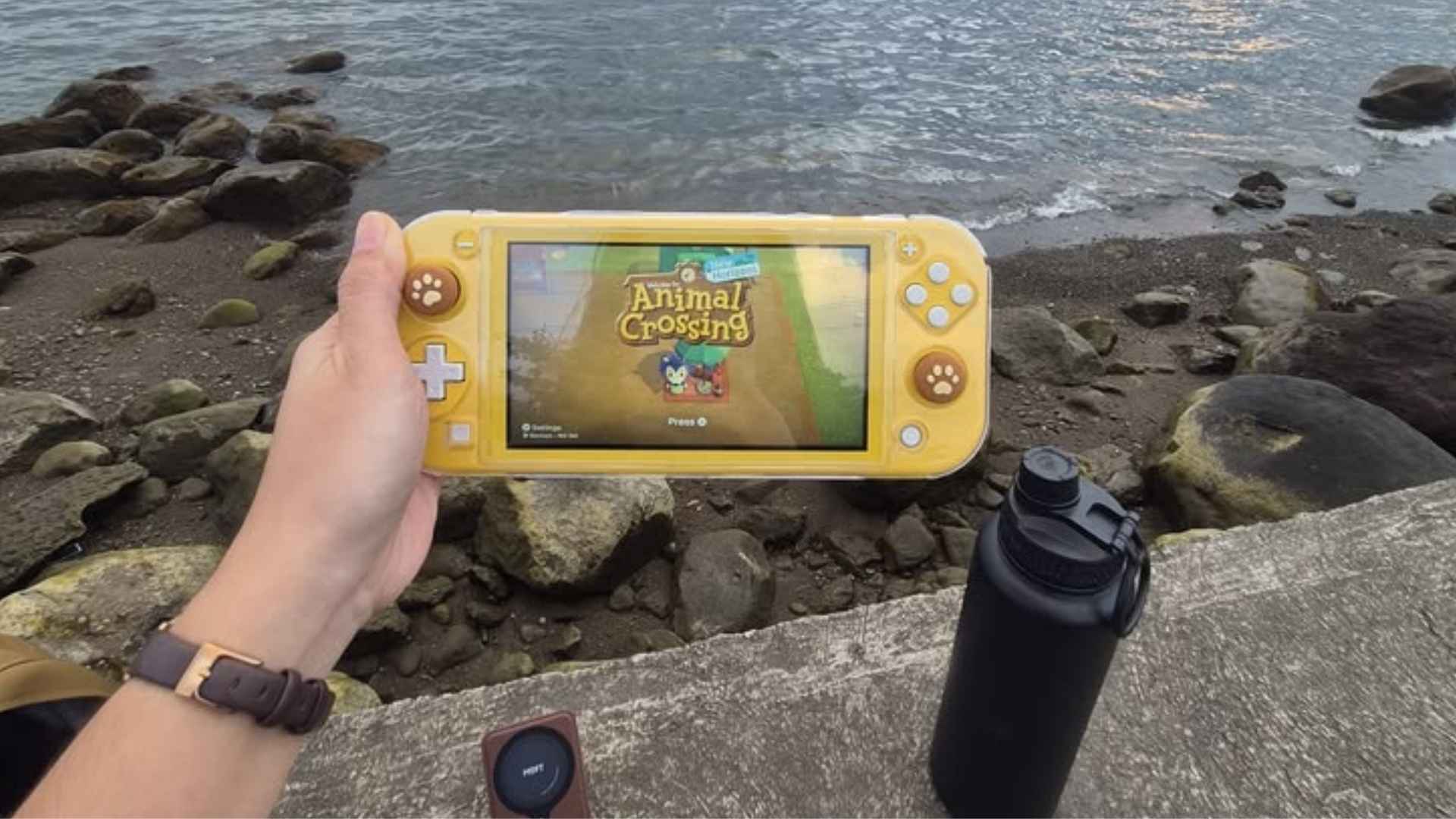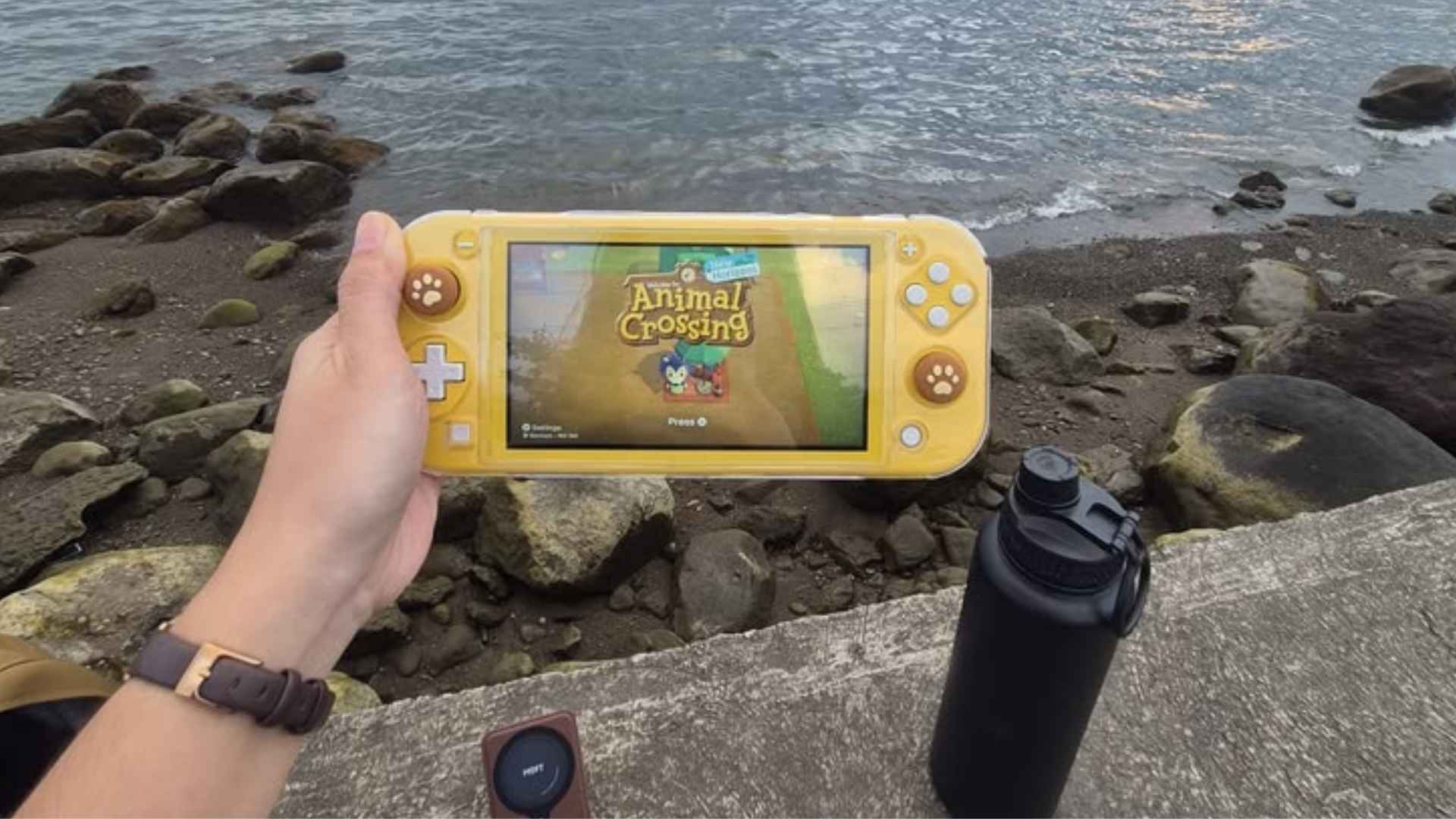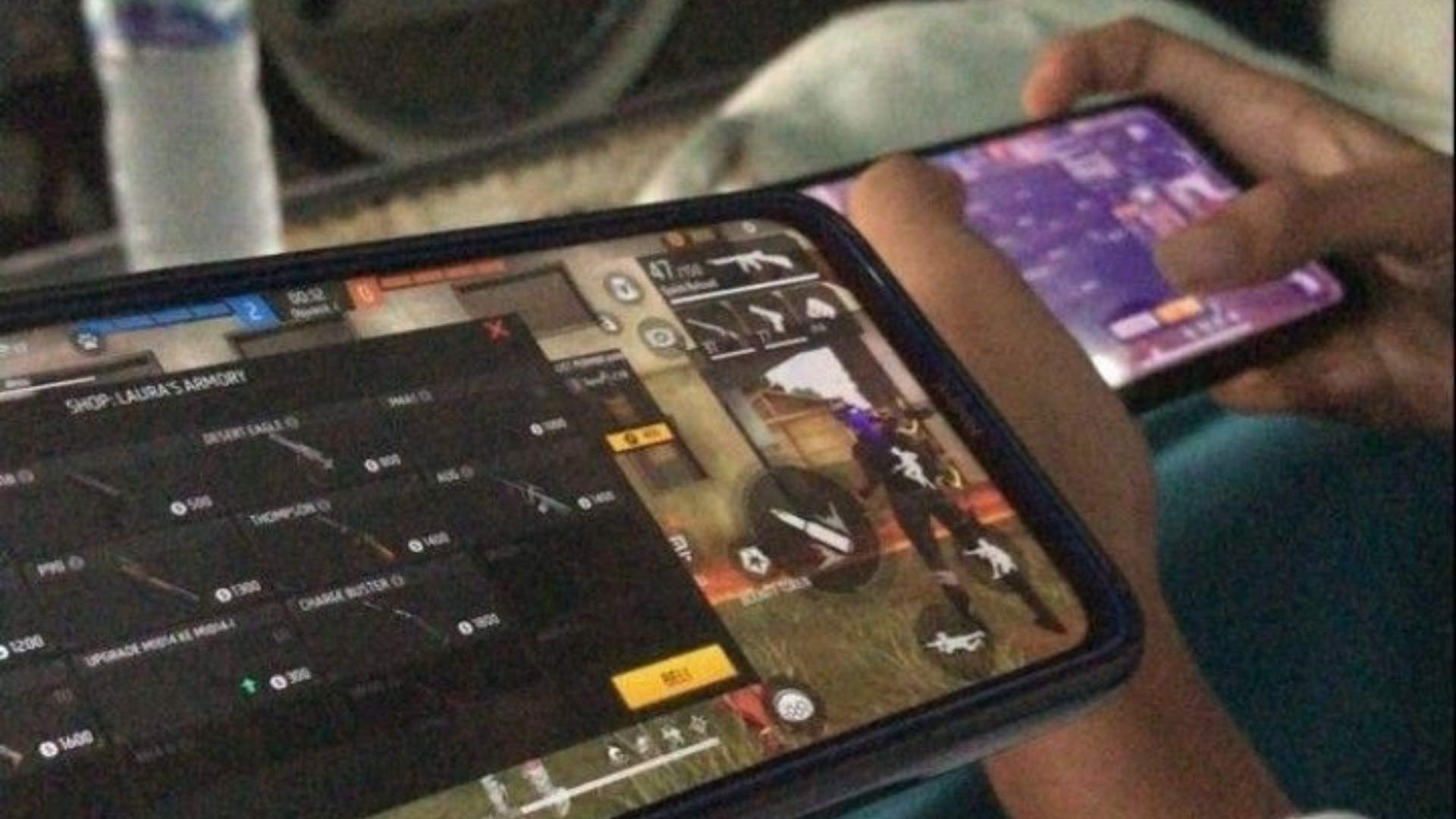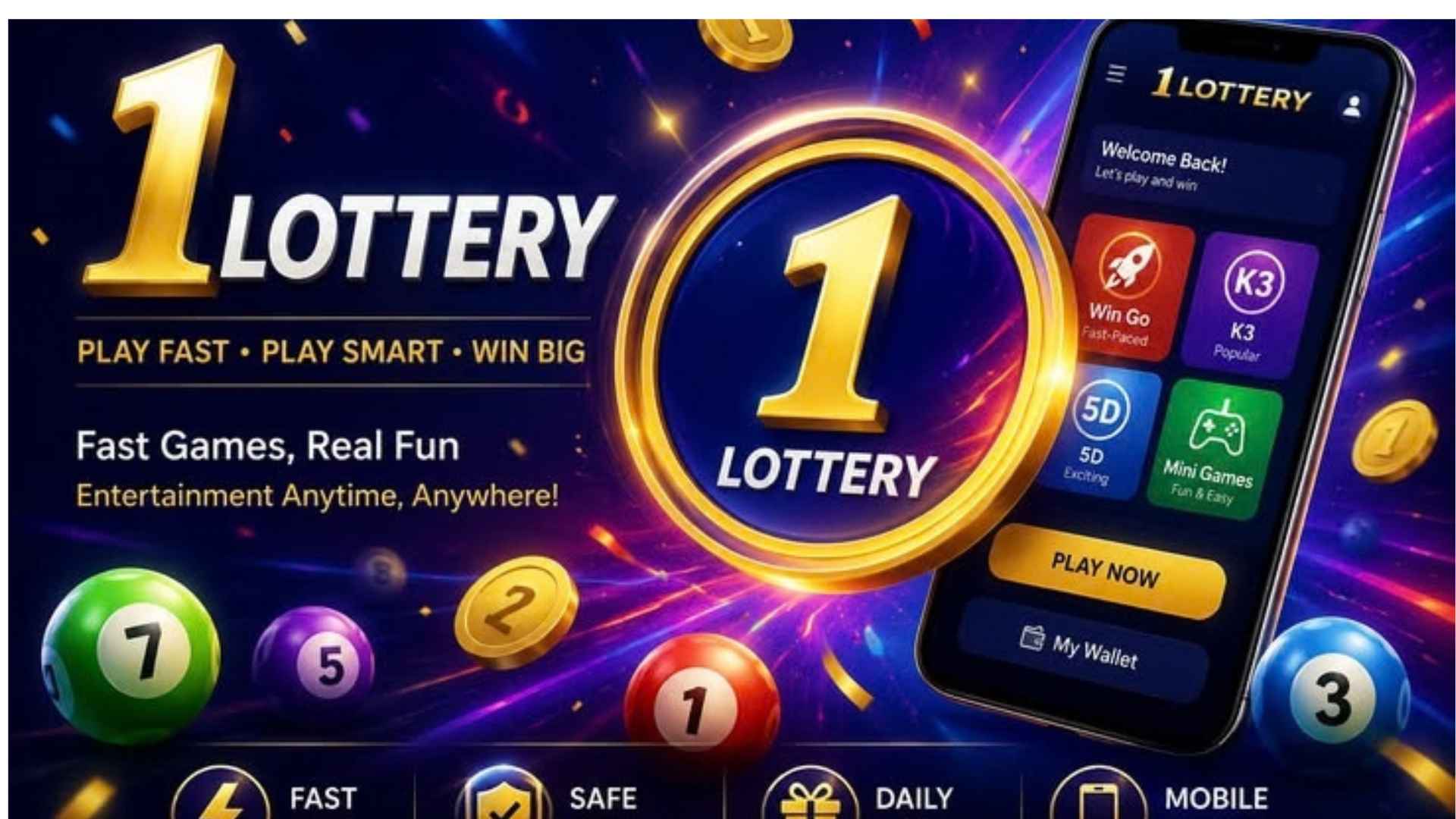
Modern video games frequently leverage time-sensitive events to provide players with unique challenges and fresh experiences. By combining these brief campaigns with unpredictable loot systems, developers spark a high level of anticipation that keeps the community active. Understanding the balance between urgency and surprise helps creators build memorable interactions that satisfy diverse player motivations.
The Psychology of Urgency and Surprise
When players participate in limited-time events, the finite duration naturally creates a strong sense of excitement and focus. Introducing chance-based incentives during these brief windows amplifies the emotional highs, as participants know the opportunities are rare. This combination effectively captures player attention and breaks the monotony of traditional progression loops.
The human brain thrives on the thrill of uncertainty, particularly when paired with a potential milestone achievement. Neurological studies suggest that the anticipation of a random outcome releases dopamine, keeping players fully engaged in the gameplay loop. By pacing these experiences correctly, developers ensure that the gameplay feels rewarding rather than overwhelming.
Designing Fair Mechanics for Temporary Campaigns
Creating randomized loot structures for temporary adventures requires a highly delicate touch to prevent community frustration. If the probability of obtaining an exclusive seasonal item is too low, players might feel discouraged and disengage completely. Conversely, making rare rewards overly common diminishes their perceived value and trivializes the player's overall investment.
To maintain long-term trust, contemporary live-service games increasingly implement transparent drop rates and bad-luck protection systems. These mechanics ensure that persistent participants are eventually guaranteed to receive rare items even if initial attempts fail. Players looking to explore different digital options can access a reliable Link M88 to experience modern platform interfaces in structured environments.
Balancing Exclusivity and Player Satisfaction
Exclusive rewards from limited campaigns serve as digital status symbols that foster deep community interaction and engagement. When a player displays a rare skin or title earned during a special event, it signifies their active participation and dedication. However, developers must ensure that these items remain cosmetic or horizontal to preserve overall game balance.
If time-sensitive rewards offer massive power advantages, they risk alienating casual or new players who missed the campaign window. Implementing balanced distribution strategies allows hardcore players to showcase their achievements while keeping the playing field level for everyone else. This sustainable approach helps digital ecosystems thrive over months and years.
The Future of Event-Based Systems
As interactive entertainment continues to evolve, machine learning and data analytics will play a larger role in shaping special events. Future reward frameworks may dynamically adapt to individual player behaviors, tailoring drops based on historical engagement patterns. This shift promises to make limited-time campaigns feel deeply personal and uniquely satisfying.
Ultimately, the marriage of random rewards and limited-time adventures succeeds because it taps into the joy of discovery. When implemented with transparency and fairness, these features enrich the overall user experience without exploiting behavioral patterns. Maintaining this balance will remain central to the success of contemporary game design as player expectations grow.